
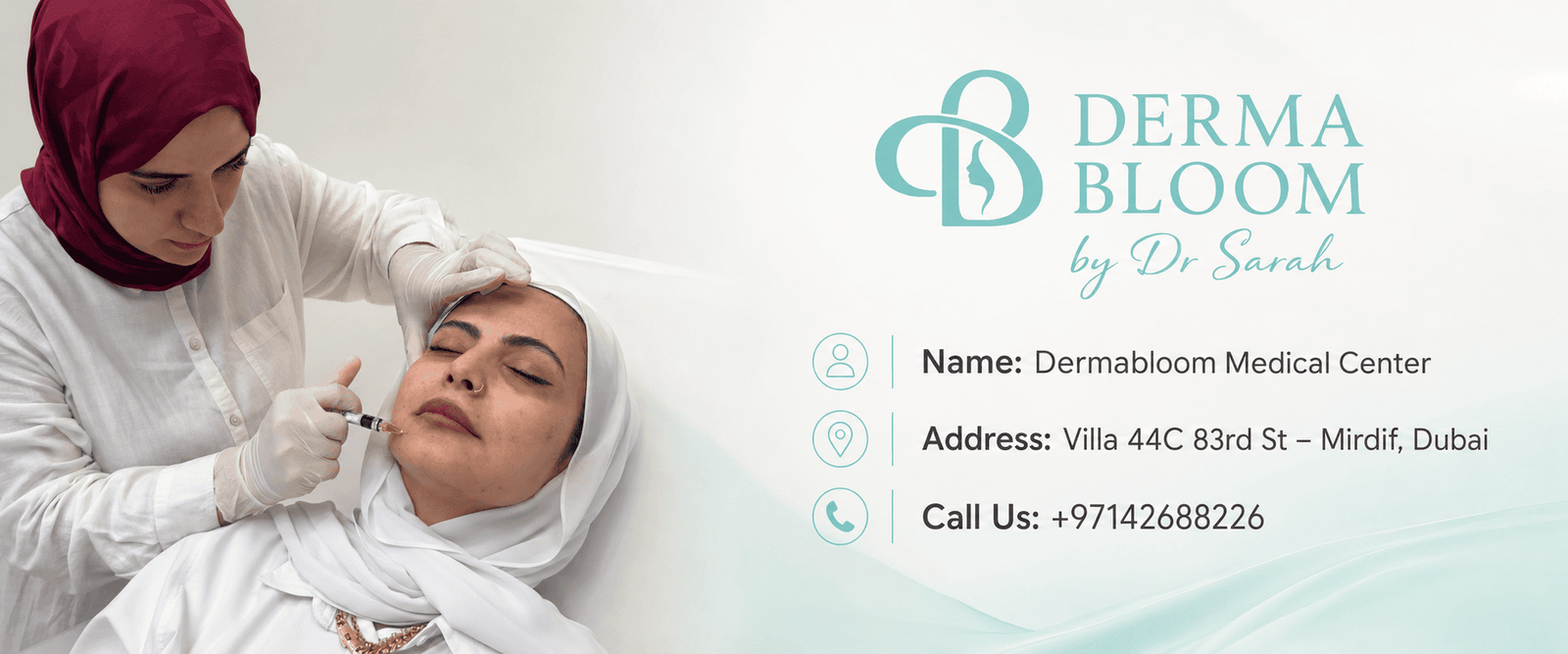
Your skin can change because of your health, hormones, environment, lifestyle and skincare routine. Although some concerns improve with gentle home care, persistent or changing symptoms deserve professional attention. If you are searching for a skin doctor in Mirdif, Dubai, a dermatology consultation can help identify the concern and guide you towards an appropriate treatment plan.
A skin doctor assesses conditions affecting the skin, hair and scalp. The purpose of a consultation is not simply to recommend a procedure. It is to understand your symptoms, medical history, current products and personal goals before discussing suitable options.
Here are five common reasons to arrange a skin consultation.
1. Acne That Keeps Returning or Leaves Marks
Occasional breakouts are common, but acne that is painful, persistent or causing dark marks and scars may require professional care. Using multiple harsh products or frequently changing your routine can irritate the skin without addressing the cause.
A skin doctor can assess the type and severity of acne, identify possible triggers and create a personalised plan. Depending on the individual, this may include skincare changes, topical treatment, prescription medication or procedures for acne marks and scars. The American Academy of Dermatology notes that people do not need to have severe acne to benefit from seeing a dermatologist.
Seeking advice earlier may also help reduce the risk of lasting marks and support better long-term management.
2. Pigmentation, Melasma or Uneven Skin Tone
Dark patches and uneven pigmentation can develop for different reasons, including sun exposure, hormonal changes, inflammation and previous acne. Because different pigmentation concerns can look similar, self-treatment may not always target the correct cause.
A professional skin assessment helps distinguish melasma from post-inflammatory marks and other causes of uneven colour. Treatment needs to be selected carefully according to the diagnosis, skin tone, depth of pigment and possible triggers. Options may include sun protection, appropriate skincare, prescribed products, chemical peels, microneedling or selected laser and light treatments.
Pigmentation usually requires patience and ongoing sun protection. There is no single treatment that is right for everyone, particularly with melasma.
3. Persistent Itching, Redness or Rashes
A rash that keeps returning, spreads, becomes painful or causes persistent itching should not be ignored. Eczema, contact dermatitis, psoriasis, fungal infections and allergic reactions can share similar symptoms but may require very different approaches.
A skin doctor can examine the affected area, review possible triggers and recommend appropriate care. This may include changes to skincare, avoiding irritants, moisturising strategies, medication or further investigation when necessary.
Seek prompt medical attention if a rash appears suddenly with facial swelling, breathing difficulty, fever, blistering or rapidly worsening symptoms.
4. A New or Changing Mole, Spot or Skin Growth
Most moles and skin growths are harmless, but a new or changing mark should be assessed rather than diagnosed from a photograph or online description. Pay attention to spots that change in size, shape or colour, look different from your other moles, or begin to itch, bleed or fail to heal.
The commonly used ABCDE guide highlights asymmetry, irregular borders, varied colour, diameter and evolution or change. However, not every concerning lesion follows this pattern. A professional examination is the appropriate next step when you notice something unusual.
Do not attempt to remove a mole or unexplained skin growth at home. Medical assessment should come before any removal procedure.
5. Hair Loss or Scalp Concerns
Hair shedding, thinning, bald patches, scalp itching and flaking can have several possible causes. Genetics, stress, nutritional factors, hormonal changes, illness, medication and inflammatory scalp conditions may all play a role.
A skin doctor can examine the scalp, review the pattern and timeline of hair loss, and decide whether tests or further assessment are appropriate. Treatment depends on the underlying cause, which is why copying another person’s hair-loss routine may not produce the same result.
Arrange a consultation if hair loss is sudden, occurs in patches, is accompanied by scalp pain or inflammation, or continues without improvement.
Why Choose a Skin Doctor Near Mirdif?
Choosing a conveniently located clinic makes consultations, treatment sessions and follow-up appointments easier to maintain. It also allows your doctor to monitor progress and adjust the plan when your skin or response changes.
Dermabloom Medical Centre provides dermatology, skin, hair and aesthetic consultations at Villa 44C, Street 83, Mirdif, Dubai. Dr. Sarah Magyd and the Dermabloom team focus on careful assessment, clear guidance and treatment planning based on each patient’s individual needs.
What to Expect During Your Consultation
Your appointment may include:
- A discussion of your main concern and how long it has been present
- A review of your medical history, medication and current skincare
- An examination of the skin, hair or scalp
- An explanation of the possible diagnosis or contributing factors
- A discussion of suitable options, expected benefits, limitations and risks
- Guidance on home care and follow-up when appropriate
Bring a list or photographs of the skincare products and medicines you currently use. If the concern changes over time, clear photographs taken before your appointment may also be helpful.
Book a Skin Consultation in Mirdif, Dubai
Persistent skin, hair or scalp concerns deserve an individual assessment. Contact Dermabloom Medical Centre to arrange a consultation and receive guidance based on your symptoms, skin type and goals.
Address: Villa 44C, Street 83, Mirdif, Dubai, UAE
Telephone: +971 4 268 8226
Opening hours: Monday to Saturday, 9:00 AM–6:00 PM
This article provides general educational information and does not replace a medical examination, diagnosis or personalised treatment advice.
Frequently Asked Questions
Is a skin doctor the same as a dermatologist?
“Skin doctor” is a commonly used term for a doctor who assesses and treats concerns involving the skin, hair and nails. When choosing a clinic, check the professional’s licensed title, qualifications and scope of practice.
When should I visit a skin doctor?
Consider arranging an appointment when a concern is persistent, worsening, painful, recurring or changing, or when over-the-counter products have not helped. New or changing moles and unexplained skin growths should be assessed promptly.
Can a consultation help me choose an aesthetic treatment?
Yes. A consultation can assess your skin, clarify your goals and explain whether a treatment is suitable. It is also an opportunity to discuss expected results, alternatives, possible risks and aftercare before deciding.
5 Reasons to Visit a Skin Doctor in Mirdif
- Persistent acne — Recurring breakouts, painful spots or acne marks
- Pigmentation — Melasma, dark patches or uneven skin tone
- Rashes and itching — Redness, irritation or symptoms that keep returning
- Changing moles — New, unusual, bleeding or evolving skin spots
- Hair and scalp concerns — Sudden shedding, thinning, patches or inflammation
Dermabloom Medical Centre
Villa 44C, Street 83, Mirdif, Dubai
+971 4 268 8226
Book a professional skin consultation